Every deadly sin has a virtue that answers it. Here are the seven deadly sins and virtues side by side, what each pair means today, and one small way to practice each virtue this week.
The seven deadly sins and virtues at a glance
Sin
Virtue
The virtue in one line
Pride
Humility
Knowing your real size, and being glad of other people's.
Greed
Generosity (charity)
Giving time, money or credit without keeping count.
Lust
Self-control (chastity)
Wanting things fully without being run by the wanting.
Envy
Kindness
Wanting good things for others, even the ones you compare yourself with.
Gluttony
Temperance
Knowing where enough is, and stopping there.
Wrath
Patience
The pause between being hurt and hitting back.
Sloth
Diligence
Steady, caring effort, a little at a time.
The seven deadly sins and virtues explained
Medieval writers did not treat the seven deadly sins and virtues as two separate sets of rules. Each one was a remedy, chosen to undo the habit of a particular sin, which is why the seven deadly sins and virtues make the most sense read as pairs.
PrideHumility
Pride is the sin of standing above everyone else: needing to be right, admired and never the one who asks for help. In the seven deadly sins and virtues, humility answers it, and it is not self-criticism. It is accurate self-knowledge, which frees you to ask questions, admit a mistake and enjoy someone else's win without keeping score.
Try this week: Before you give your opinion in a meeting or a group chat, ask one real question first.
Greed, the old avarice, is wanting more than you need and holding on to what you have. Its remedy in the seven deadly sins and virtues is charity, which in the medieval sense meant love that gives without counting. In daily life it looks like generosity: sharing what you earned, your time or the credit for a good idea when nobody is tracking it.
Try this week: Pay for something small for someone this week and do not mention it.
Lust is craving intensity: excitement, attention and pleasure, right now. Its partner in the seven deadly sins and virtues is chastity, which medieval writers described as mastery of desire rather than the absence of it. The useful modern word is self-control: you still feel the pull, but you choose when to follow it.
Try this week: Delay one strong craving by a full day and notice whether it still matters.
Envy is the comparing sin: someone else's good news turns into a scoreboard for your own life. Kindness, envy's partner in the seven deadly sins and virtues, turns that eye outward. Envy asks why they got it; kindness wants good things for them anyway, and gratitude for your own life usually follows close behind.
Try this week: Send a sincere congratulations message to someone whose news stung.
Gluttony is not stopping at enough, and today it covers screens and shopping as much as food. Temperance answers it by finding the point where enjoyment peaks. It is the only virtue on both classic lists: the seven deadly sins and virtues, and the cardinal virtues.
Try this week: Stop at the first "that was good" instead of the last "one more".
Wrath is quick heat and long grudges. Patience, wrath's partner in the seven deadly sins and virtues, is the space between the trigger and the reaction. It does not mean putting up with injustice; it means you choose the response instead of the anger choosing it for you, which is also what modern anger research recommends practicing.
Try this week: Wait one hour before you answer a message that made you angry.
Sloth, the old acedia, is more than laziness. Early monks described it as not caring enough to begin. Diligence, its partner in the seven deadly sins and virtues, answers it with steady effort that starts small: not a burst of willpower, but showing up for the thing that matters today and again tomorrow.
Try this week: Give your most postponed task five minutes before lunch, every day this week.
Test what you know about the seven deadly sins and virtues: tap a sin, then the virtue that answers it. Seven pairs, one point lost for every wrong try. Share your score when you finish.
Sins
Virtues
Start with any sin.
Where the seven deadly sins and virtues come from
The seven deadly sins and virtues were never written down as one list. The pairs took shape over many centuries:
Around 405The Roman poet Prudentius writes the Psychomachia, a poem in which virtues fight vices in single combat: Patience defeats Wrath, and Humility brings down Pride: two pairs that later join the seven deadly sins and virtues.
590sPope Gregory I fixes the list of seven sins, with pride as the root of the others.
Early 1300sOn every terrace of Dante's Purgatorio, penitents are shown examples of the virtue they lacked, usually starting with Mary: her humility at the Annunciation for the proud, her generosity at the wedding at Cana for the envious. It is an early way of teaching the seven deadly sins and virtues as pairs.
Later catechismsTeachers turn the remedies into a tidy list of seven, often called the seven heavenly virtues, and the seven deadly sins and virtues are taught as pairs.
The animals of the seven deadly sins
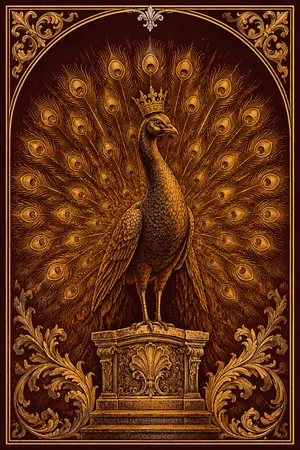
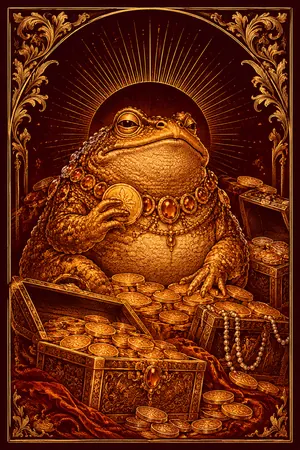
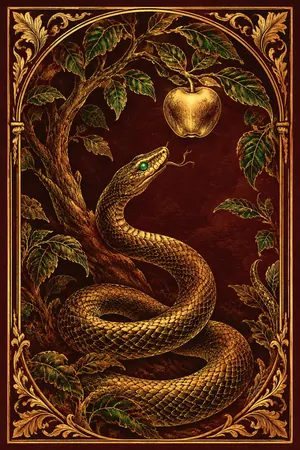
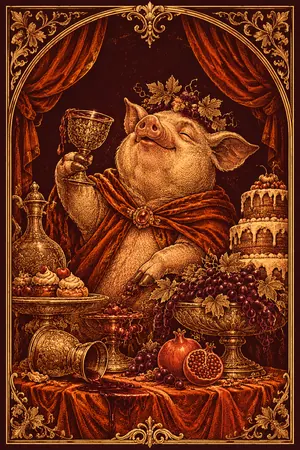
Medieval art gave every sin an animal, and the choices varied from book to book. The most complete set in English literature is Edmund Spenser's procession of the sins in The Faerie Queene (1590), where each sin rides its own beast. The cards on this site use their own symbols, shown alongside.
Sin
Spenser's animal
Our card
Pride
Rides in Lucifera's coach, pulled by the other six
The peacock for pride and the pig for gluttony are the most widely shared images across medieval art; the others change more from one artist to the next.
Seven deadly sins and virtues vs. the seven Catholic virtues
People often mix up two lists. The remedies for the sins are the seven deadly sins and virtues pairs on this page. The seven virtues of Catholic teaching are a separate set: four cardinal virtues from Greek philosophy and three theological virtues from Paul's letter to the Corinthians. Temperance and charity appear on both lists.
The seven deadly sins and virtues next to the cardinal and theological virtues
From the seven deadly sins and virtues
Cardinal and theological virtues
Humility
Prudence
Charity
Justice
Chastity
Fortitude
Kindness
Temperance
Temperance
Faith
Patience
Hope
Diligence
Charity
Questions about the seven deadly sins and virtues
What are the seven deadly sins and virtues?
The seven deadly sins and virtues are seven pairs: pride and humility, greed and generosity (charity), lust and self-control (chastity), envy and kindness, gluttony and temperance, wrath and patience, sloth and diligence. Each virtue is the traditional remedy for the sin it is paired with.
What are the seven heavenly virtues?
The name usually refers to the virtue half of the seven deadly sins and virtues: humility, charity, chastity, kindness, temperance, patience and diligence. It is sometimes confused with the seven virtues of Catholic teaching, which are the four cardinal virtues (prudence, justice, fortitude, temperance) plus faith, hope and charity.
What is the opposite of sloth in the seven deadly sins and virtues?
Diligence. In the seven deadly sins and virtues, sloth is paired with diligence. Sloth, or acedia, is not caring enough to begin, and diligence answers it with steady effort that starts small.
Is charity the opposite of greed in the seven deadly sins and virtues?
Yes. Among the seven deadly sins and virtues, charity is the traditional remedy for greed, also called avarice. In everyday terms it means generosity: giving time, money or credit without keeping count.
What is the opposite of pride in the seven deadly sins and virtues?
Humility. In the seven deadly sins and virtues, pride is paired with humility: knowing your real size and being glad of other people's.
What is the opposite of wrath in the seven deadly sins and virtues?
Patience. The seven deadly sins and virtues pair wrath with patience: the pause between being hurt and choosing how to respond.
What is the opposite of envy in the seven deadly sins and virtues?
Kindness. The seven deadly sins and virtues pair envy with kindness: wanting good things for others, even the ones you compare yourself with.
What is the opposite of gluttony in the seven deadly sins and virtues?
Temperance. The seven deadly sins and virtues pair gluttony with temperance: knowing where enough is and stopping there.
What is the opposite of lust in the seven deadly sins and virtues?
Chastity, or in modern terms self-control. The seven deadly sins and virtues pair lust with it: you still feel the pull, but you choose when to follow it.
Which of the seven deadly sins and virtues matters most?
Tradition gives the most weight to pride and humility. Gregory the Great called pride the root of the other sins, so humility answers the sin the others grow from.
Are the seven deadly sins and virtues Catholic?
They come from Christian teaching, shaped by writers from Evagrius and Gregory the Great to Thomas Aquinas, and the Catholic Church still teaches the capital sins today. The seven deadly sins and virtues are also used outside religion as a simple map of everyday habits.
How are the seven deadly sins and virtues different from the cardinal virtues?
The seven deadly sins and virtues are pairs: each virtue cures one sin. The four cardinal virtues, prudence, justice, fortitude and temperance, come from Greek philosophy and are not matched to sins.
Who came up with the seven deadly sins and virtues?
No single person. Prudentius set virtues against vices around 405, Gregory the Great fixed the seven sins in the 590s, and later teachers matched one remedy to each sin, giving us the seven deadly sins and virtues we use today.
Are the seven deadly sins and virtues still relevant today?
Yes. Psychologists study the same habits under new names, such as trait anger, procrastination and sensation seeking, and the seven deadly sins and virtues give each one a practical remedy.
How do I remember the seven deadly sins and virtues?
Learn them as pairs, not as two lists: pride and humility, greed and charity, lust and chastity, envy and kindness, gluttony and temperance, wrath and patience, sloth and diligence. The matching game above is a quick way to practice the seven deadly sins and virtues.
Are the seven deadly sins and virtues in the Bible?
Not as two lists of seven. Proverbs 6:16–19 names seven things God hates, and Galatians 5 sets the works of the flesh against the fruit of the Spirit, but the seven deadly sins and virtues as matched pairs come from later Christian writers such as Prudentius and Gregory the Great.
How can the seven deadly sins and virtues help in daily life?
Pick the pair from the seven deadly sins and virtues that fits you and practice one small habit for a week. Each of the seven deadly sins and virtues pairs above has a try-this-week step, like waiting an hour before you answer an angry message.
How do I find out which of the seven deadly sins and virtues apply to me?
Take the 7 deadly sins test for a full score on all seven, or the 2-minute which deadly sin are you quiz. Both name your top sin and its partner from the seven deadly sins and virtues.
Why do the seven deadly sins and virtues come in pairs?
Because each virtue was chosen as the cure for one sin. Around 405 the poet Prudentius set them against each other in single combat, and later teachers kept the seven deadly sins and virtues as matched opponents: patience against wrath, humility against pride.
Find your pair in the seven deadly sins and virtues
Knowing the seven deadly sins and virtues is one thing. Finding out which one is yours is more fun. The full 7 deadly sins test scores every sin from 0 to 100%; the which deadly sin are you quiz names yours in two minutes.